Video podcasting
Video podcast vs audio podcast: which format should you choose?
By the team at The Cast Studio · Updated · 6 min read
In short
Choose video if you want to be found on YouTube, cut clips for social media and let people see who they are listening to; choose audio if you need the lowest cost and effort per episode. Many shows now do both: they record on camera once, publish the full video on YouTube and send the audio to podcast apps.
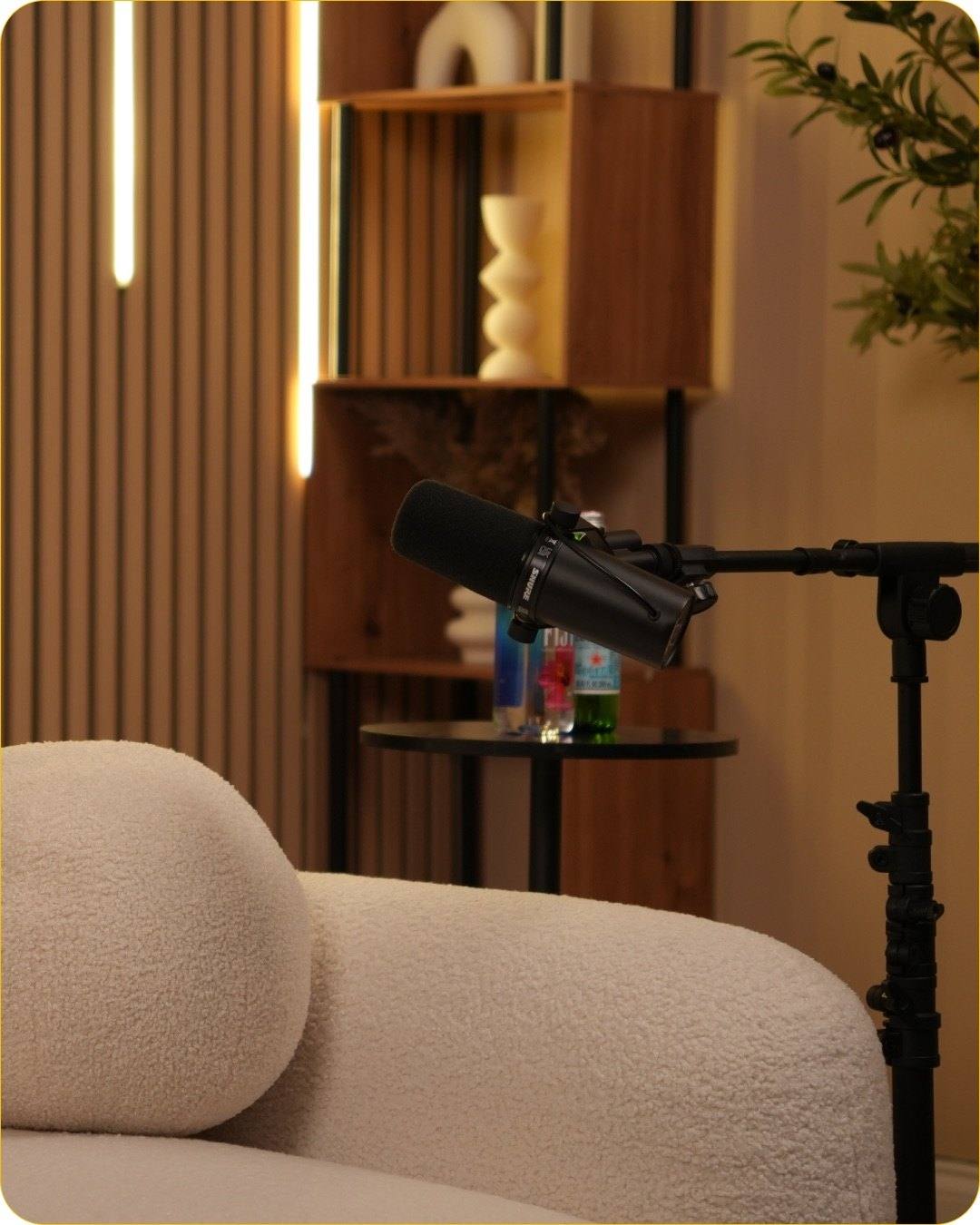
Every new show faces the same question before the first episode: record only audio, or put the conversation on camera? The answer depends on where you want people to find you and how much effort you can put into each episode. Here is how the two formats compare, with what recent audience research says.
What is the difference between a video podcast and an audio podcast?
An audio podcast is published as sound only and reaches people through podcast apps; a video podcast is recorded on camera and published as video, mostly on YouTube. Audio episodes go out through an RSS feed from a podcast host, which delivers them to apps such as Apple Podcasts and Spotify. Video episodes are uploaded as full-length videos, often with shorter clips cut from them.
| Audio podcast | Video podcast | |
|---|---|---|
| Where people find it | Podcast apps, through an RSS feed | YouTube first, plus clips on social media |
| What you need | Microphones, a quiet room, editing software | Microphones, cameras, lighting, a set, video editing |
| Effort per episode | Lower: one audio track to clean up | Higher: angles to cut, thumbnails, titles |
| What people get | Your voice and ideas | Your voice, face, reactions and setting |
How do people actually consume podcasts in 2026?
They watch and they listen, often the same show. Two studies published this year point the same way:
- MRI-Simmons, April 21, 2026. Among US adults who had listened to a podcast in the past 30 days, 78% listened to audio programs weekly and 68% watched video programs weekly. 55% consumed podcasts on YouTube, up from 38% in 2022, and 53% said they usually ignore the video and just listen to the audio.
- SSRS, "The Podcast Consumer 2026," June 4, 2026. Using Edison Podcast Metrics data for the third quarter of 2025, it reports that 82% of weekly podcast consumers actively watched video, compared with 78% who listened to audio only.
Two conclusions follow. Video is no longer a niche: most regular podcast fans watch some shows. And many people treat the picture as optional: in the MRI-Simmons research, 53% usually ignore the video and just listen. A video episode still has to work by ear.
When should you choose a video podcast?
Choose video when being seen helps your goal. That is usually the case when:
- You want to be found on YouTube. YouTube is a search engine as well as a video site, and a full episode plus clips gives people several ways to find you.
- Trust is part of the sale. Founders, real estate agents, coaches and consultants sell themselves as much as a service. Watching you think and react can build a familiarity that audio alone does not.
- You need content beyond the episode. One recorded conversation can become clips for social media, a thumbnail, guest photos and quotes. Our guide to podcast clips shows how to plan them.
- Your guests can share it. A short video where a guest looks and sounds good is easy for them to post on their own channels.
If this describes your show, the video podcast studio page explains how a three-camera session works.
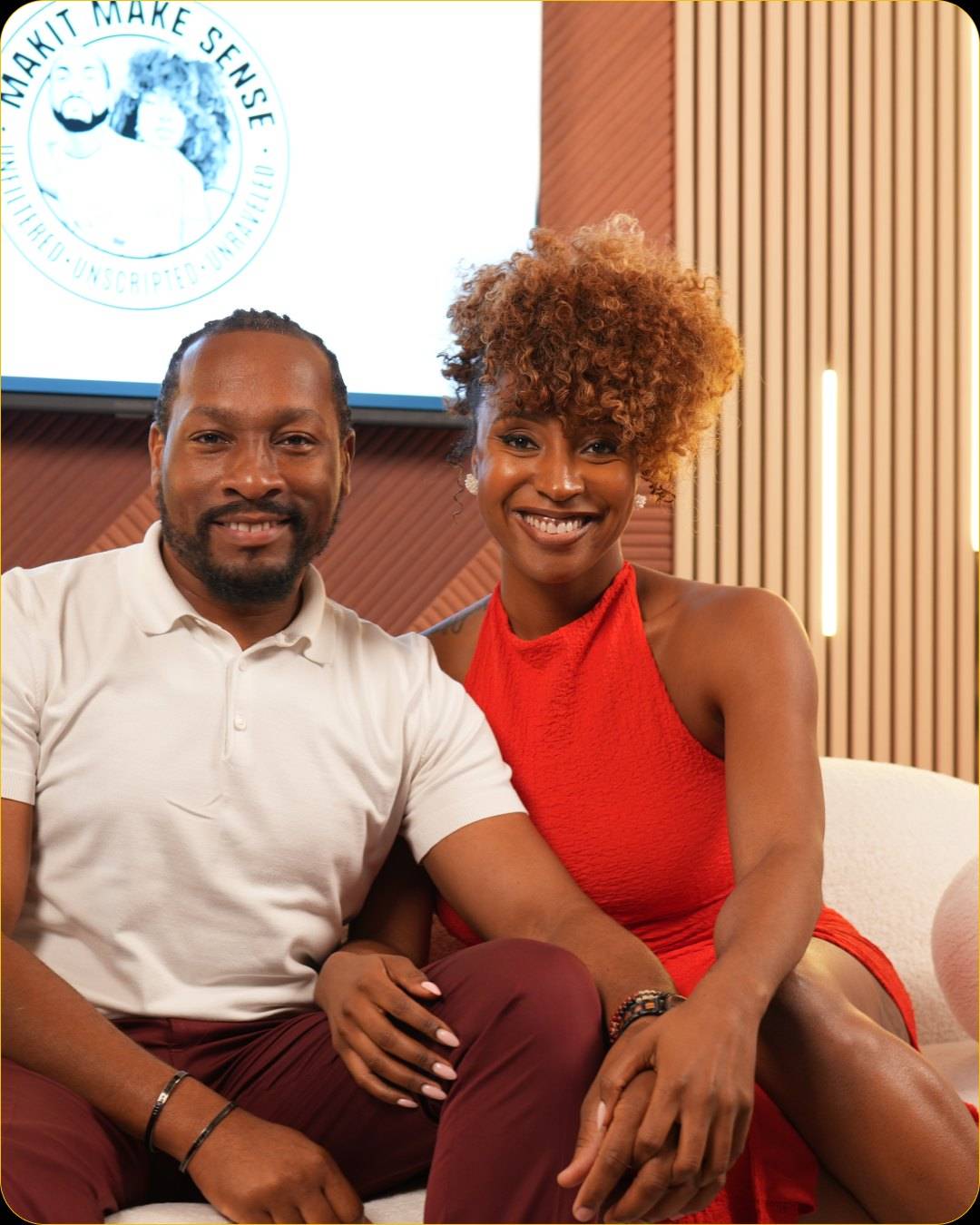
When is an audio-only podcast enough?
Audio is enough when your listeners care about the ideas more than the faces, and when you need to publish often on a small budget. It also suits:
- Weekly shows with a tight schedule. Editing one audio track takes far less time than cutting several camera angles.
- Remote interviews. Guests in other cities can join on a call, and the audio can sound good even when their webcam does not.
- Hosts who prefer not to be on camera. Some topics and some people simply work better as voices.
- Testing an idea. A few audio episodes show whether you enjoy the format before you invest in video.
Which format fits your goal?
Start from the goal, then pick the format. This table sums up the trade-offs above:
| Your goal | Format | Why |
|---|---|---|
| Get found by new people | Video | YouTube search and short clips bring in people who have never heard of you |
| Build trust before a sales call | Video | Prospects see how you think and talk before they meet you |
| Publish every week on a small budget | Audio | One track to edit, fewer things to go wrong |
| Interview guests in other cities | Audio by call, or video if guests can travel | A call is easier to schedule than a trip to the studio |
| Reach listeners and viewers | Record video, publish both | One session serves YouTube and podcast apps |
Once you have chosen, our guide on how to start a podcast covers the steps from idea to launch for either format.
What does video add in cost and effort?
Video adds cameras, light, a set worth looking at and a longer edit. The recording itself is the smaller part; the editing is where most of the extra time goes, because someone has to choose an angle for every moment of the conversation.
A studio removes most of the setup work. At The Cast Studio, prices are per hour:
- Studio Essentials, $199: one cinematic 4K angle, a professional audio setup and standard studio lighting, with an on-site tech assist for setup, start and stop.
- Studio Recording, $250: a full crew on cameras, lighting and audio, three 4K angles, thumbnail and guest photos, and raw files within 24 hours.
- Studio Recording + Enhanced Edit, $455: everything above plus a 4K multicam edit with mastered audio, your logo, lower thirds and name titles.
The studio does not publish an audio-only package, so Studio Essentials is the lowest published rate, and it includes a professional audio setup. Every package works with all six sets. For how these prices compare with other studios in the area, see what it costs to rent a podcast studio in Fort Lauderdale.
Why publish both a video and an audio version?
Because one video recording can serve both audiences at little extra cost. Record on camera once, then publish in three places:
- The full video on YouTube, with a clear title, a thumbnail and chapters.
- The audio track to your podcast host, which sends it to the podcast apps your listeners already use.
- Clips and photos on social media that point back to the full episode.
This hybrid approach also protects you against guessing wrong: if your audience turns out to prefer listening, you have lost nothing but the camera time. Our step-by-step guide on how to start a YouTube podcast covers the publishing side.
How do you make one recording work as audio and video?
Host the episode as if nobody can see it, and frame it as if everybody can. A few habits make the difference:
- Say what you show. If you hold up a product or point at the screen, describe it out loud.
- Introduce speakers by name at the start and when the conversation changes direction, so listeners always know who is talking.
- Keep a steady distance from the microphone, even when you turn toward a guest or a camera.
- Avoid long silent moments. A smile or a nod works on video, but it is dead air in an audio app.
- Use the set on purpose. On video, the set is part of the show's identity. The studio's 55-inch display can show your logo during the recording.
Record once on camera and publish both versions: book a session or see the six sets on a free tour.
Sources
- MRI-Simmons, article on the video podcast boom published April 21, 2026 (mrisimmons.com), based on its 2026 study of US adults who listened to a podcast in the past 30 days.
- SSRS, "The Podcast Consumer 2026," June 4, 2026, based on Edison Podcast Metrics data for the third quarter of 2025.
- The Cast Studio's packages and Terms of Service (effective February 1, 2026), prices checked October 3, 2026.
Frequently asked questions
Is a video podcast better than an audio podcast?
Neither format is better for every show. Video helps people find you on YouTube, gives you clips for social media and shows your face, which can build trust. Audio costs less and is easier to produce every week. Surveys published in 2026 show that many people both watch and listen, so many shows record video and publish both.
Do people watch video podcasts or just listen to them?
Both. In MRI-Simmons research published April 21, 2026, 68% of US adults who had listened to a podcast in the past 30 days watched video programs weekly and 78% listened to audio programs weekly, while 53% said they usually ignore the video and just listen. Plan for both: the episode has to work without the picture.
How much more does a video podcast cost?
It depends on cameras, crew and editing. At The Cast Studio, one cinematic 4K angle with Studio Essentials costs $199 per hour, three 4K angles with a full crew cost $250 per hour, and a finished multicam edit brings it to $455 per hour. The studio does not publish an audio-only package, so $199 is its lowest published rate.
Can I publish the same episode as audio and video?
Yes. Record on camera, upload the full episode to YouTube, and send the audio track to your podcast host, which delivers it to podcast apps. Write and host the episode so it makes sense by ear: say out loud anything you show on screen.
What equipment does a video podcast need?
At minimum one camera, good microphones and even, flattering light. For conversations, three angles (a wide shot and a close-up of each speaker) give an editor room to cut. A studio supplies all of it: The Cast Studio uses three Sony 4K cameras, studio lights, and two Shure microphones with Cloudlifters and a Rodecaster Pro.
Written by the team at The Cast Studio, a podcast and video studio at 801 NE 2nd Ave, Ste 120, Fort Lauderdale, FL 33304. Facts and prices are checked on the date shown above. About the studio.