Recording day
Podcast interview questions: 100 questions to ask your guests
By the team at The Cast Studio · Updated · 8 min read
In short
Good podcast questions are open, specific to the guest and arranged in an arc: an easy opener, how they got here, their expertise, mistakes and lessons, practical advice for listeners, a quick round and a closing question. Below are 100 questions in that order, with tips on research, follow-ups and what to avoid.
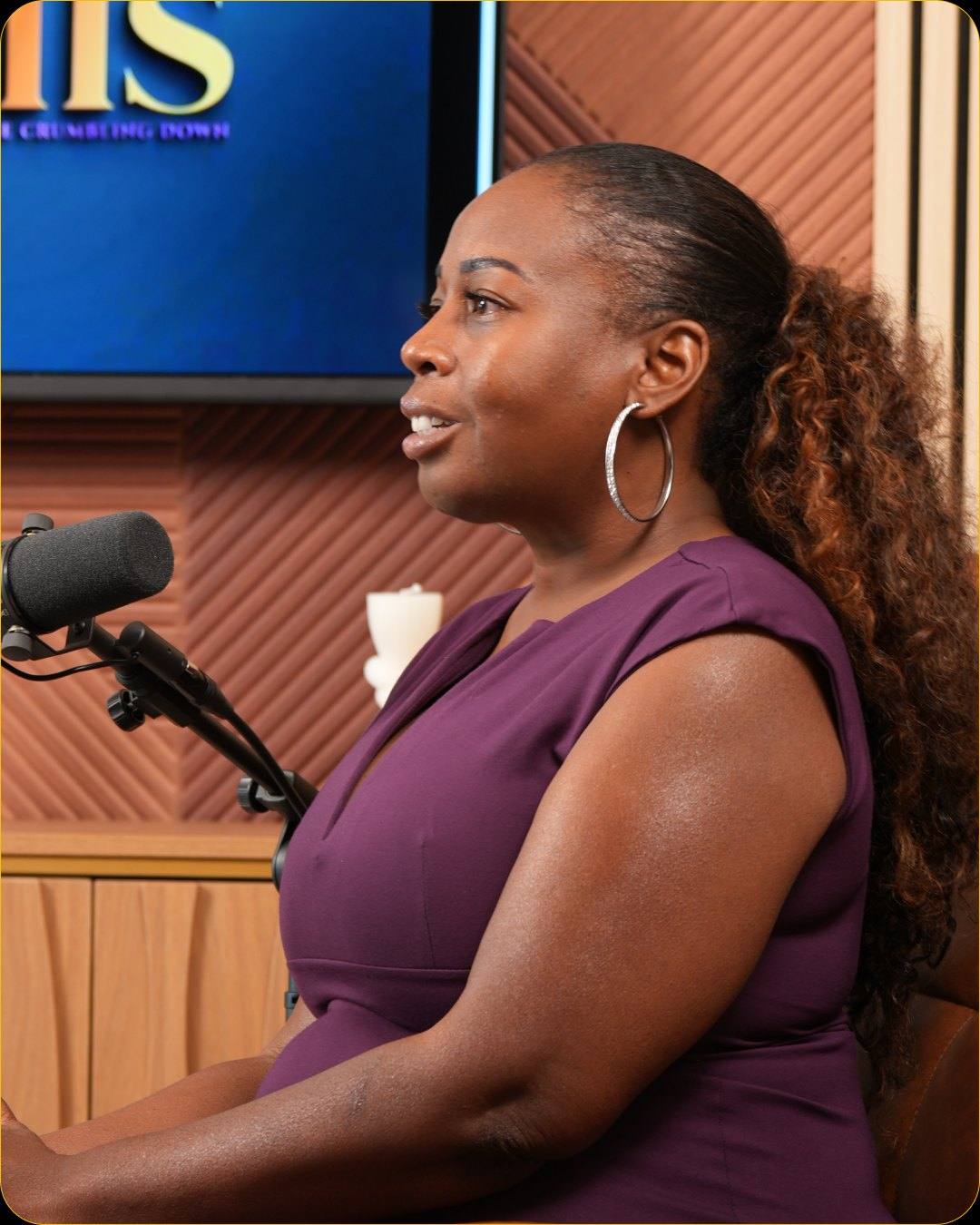
A good interview sounds like a conversation, but it is built like a story: an easy start, a few deep questions in the middle and a strong ending. These 100 questions follow that arc. Pick 8 to 12 for each episode, tailor them to your guest, and keep the rest as backups.
How do you prepare questions for a podcast guest?
Research the guest, find the angle only they can give, then choose and order your questions. Thirty minutes of preparation makes the difference between a generic chat and an episode people share.
- Research: read their website, recent posts and one or two of their past interviews. Note what they have already said many times.
- Find the angle: decide the one thing your audience should learn from this guest that they cannot learn elsewhere.
- Choose 8 to 12 main questions from the lists below and rewrite each in your own words, with the guest's details.
- Order them in an arc: easy, personal, deep, practical, light, closing.
- Share the topics and a few main questions with the guest about a week before.
Opening questions
Openers should be easy to answer and still interesting to hear.
- What are you working on right now that excites you most?
- How would you explain what you do to a ten-year-old?
- What did your week look like before you walked in here?
- What is a question people always ask you at parties?
- What brought you to this city?
- What is something about your work that surprises people?
- Who do you help, and what do they usually come to you with?
- What does a good day at work look like for you?
- What is the last thing you changed your mind about?
- If our listeners remember one thing from today, what should it be?
Origin story questions
Origin questions give listeners a reason to care about the guest.
- When did you first get interested in your field?
- What was your first job, and what did it teach you?
- Who gave you your first real chance?
- What was the moment you decided to do this full time?
- What did you almost do instead?
- What did your family think of your choice?
- What was the hardest year of your career so far?
- What did you get wrong about your industry when you started?
- Who was your first client or customer, and how did you find them?
- What skill did you have to learn the hard way?
- What part of your background helps you most today?
- If you started over today, what would you do first?
Expertise questions
This is the core of the episode: the knowledge only this guest has.
- What is the biggest misconception about your field?
- What do beginners always get wrong?
- What separates good work from great work in what you do?
- Can you walk us through how you approach a typical project?
- What is a rule in your industry that you break on purpose?
- What question should people ask before hiring someone like you?
- What has changed most in your field in the last five years?
- What trend do you think is overrated?
- What trend do you think people are underestimating?
- What does a red flag look like when someone sells your kind of service?
- Which part of your work takes longer than people expect?
- What do you measure to know whether something is working?
- What is a simple habit that makes a big difference in your field?
- Can you tell us about a project you are proud of, step by step?
- What would you tell someone who thinks they can do your job with a free app?
Business and career questions
For founders, owners and professionals, the business side is often the most useful part.
- How did you price your work at the start, and how do you price it now?
- Where do most of your clients come from?
- What was your first hire, and why that role?
- What would you never outsource?
- How do you decide which opportunities to turn down?
- What is a decision that looked risky and paid off?
- How has your idea of success changed?
- What does your team do better than you?
- What do you spend too much time on?
- How do you stay visible to clients between projects?
- What partnership changed the direction of your business?
- What are you building toward in the next three years?
Failure and lesson questions
Honest stories about mistakes are often the most shared moments of an episode.
- What is a mistake that cost you money, and what did you learn?
- Tell us about a time a project went wrong. What happened next?
- What advice did you follow that turned out to be wrong?
- When did you almost quit?
- What feedback was hardest to hear?
- What do you wish you had said no to sooner?
- Which early decision would you reverse if you could?
- What did a failure make possible that success would not have?
- How do you tell the difference between a bad idea and a good idea that needs time?
- What do you do now to avoid repeating your biggest mistake?
Advice for listeners
Practical questions give listeners something to act on.
- What is one thing a listener could do this week to get started?
- What should someone avoid in their first year?
- Which tool or resource would you recommend to a beginner?
- How should someone choose between [option A] and [option B]?
- What would you check before spending money on this?
- What does a realistic timeline look like?
- How can someone tell whether they are making progress?
- What should people ask a professional before hiring one?
- What is a free or low-cost way to test this idea?
- What would you tell your younger self who is just starting?
- How can listeners learn from you beyond this episode?
- What is the one question listeners should be asking that they are not?
Rapid-fire questions
A quick round changes the pace and often produces the most shareable clips; our guide to podcast clips shows how to cut and post them.
- Morning person or night person?
- One app you use every day?
- A book from this year you would recommend?
- A podcast you listen to that is not about your field?
- Your favorite place in the city?
- Coffee or tea?
- One word that describes your work style?
- The most useful advice you ever got, in one sentence?
- A skill you want to learn next?
- Your go-to order at your favorite restaurant?
- One thing on your desk right now?
- A habit you are trying to build?
- Who should be our next guest?
- What are you most grateful for this year?
- Finish this sentence: "Success means..."
Closing questions
End on something reflective or practical, then tell people where to find the guest.
- What did we not talk about that we should have?
- What do you hope people say about your work in ten years?
- What is one idea you want listeners to leave with?
- What is the next big thing you are working on?
- If you could ask our next guest one question, what would it be?
- What is a question you wish more interviewers asked you?
- Where can people follow your work or get in touch?
- Is there anything you want to say to someone listening who is stuck right now?
Questions for panels and co-hosted episodes
Group conversations need questions that get guests talking to each other.
- Where do the two of you disagree on this?
- What did you learn from each other on this project?
- If you each had to pick one priority, what would it be?
- How would each of you explain this to a new client?
- Which part of this do you see differently because of your background?
- What would you change about the way your industry works, and does everyone here agree?
For group recordings, a round table helps everyone see each other: it is what the round-table set at The Cast Studio is built for.
How do you ask better follow-up questions?
Listen more than you plan. The prepared question gets the answer started; the follow-up gets the story. A few techniques:
- Ask for an example: "Can you give us a specific case?"
- Ask what happened next: stories stop too early.
- Ask why: the reasoning is usually more useful than the result.
- Repeat a key phrase as a question: "You said 'the wrong clients'?"
- Stay quiet for a moment after an answer. Guests often add the most honest part.
What questions should you avoid?
Some questions reliably produce weak answers:
- Yes-or-no questions: "Was that hard?" Ask "What made that hard?" instead.
- Two questions in one: guests answer the second and forget the first.
- Loaded questions: "Don't you think that's a mistake?" puts words in their mouth.
- Questions their website answers: use your research to go one step further.
- Surprise private topics: agree on sensitive subjects before the recording.
A pre-interview note to send your guest
Send a short note about a week before the recording. Copy and adapt this one:
Hi [Name],

Looking forward to recording with you on [date] at [time].

Where: [studio name and address]
How long: about [45] minutes of recording; please arrive a few minutes early.

We'll talk about: [topic 1], [topic 2] and [topic 3].
A few questions to think about:
- [Main question 1]
- [Main question 2]
- [Main question 3]

On camera: solid colors look good; avoid fine stripes and big logos.
Bring: anything you'd like to show or mention, and your links.

Anything you'd prefer not to discuss? Just let me know.

[Your name]
Guests prepare better when they know what good looks like. Our guide on how to be a good podcast guest is a useful link to include, and the podcast script template shows where these questions fit in a full episode outline.
Recording an interview soon? Book a set with a crew on three 4K angles, or see the studio first on a free tour.
Frequently asked questions
What are good questions to ask on a podcast?
Open questions that invite a story, an example or an opinion, tailored to what this guest knows better than anyone. Questions like 'What was the moment you knew this would work?' get better answers than 'Do you like your job?', because they cannot be answered with one word.
How many questions should I prepare for a podcast interview?
Prepare 8 to 12 main questions for a 30 to 45 minute interview, with one or two follow-ups for each. You will rarely use all of them, because good answers lead to new questions, but a full list keeps the conversation moving when an answer runs short.
Should I send podcast questions to the guest in advance?
Send the topics and three or four main questions, not the whole list. Guests can prepare their stories and facts, and the conversation still sounds spontaneous. Agree on anything that is off limits before you record.
How do you ask good follow-up questions?
Listen for the part of the answer that surprised you and ask about it: 'Can you give an example?', 'What happened next?' or 'Why do you think that is?' A short pause after an answer also works; guests often fill it with the most honest part.
What questions should you avoid in a podcast interview?
Avoid yes-or-no questions, two questions in one, loaded questions that contain their own answer, and questions the guest's website already answers. Do not raise private topics on air unless you agreed on them before the recording.
Written by the team at The Cast Studio, a podcast and video studio at 801 NE 2nd Ave, Ste 120, Fort Lauderdale, FL 33304. Facts and prices are checked on the date shown above. About the studio.